The Journal · 4 min read
Drawn, Not Printed: Why a Pen-Drawn Reproduction Outlives a Poster
A print is an image of a thing. A drawing is the thing. What separates a hand-drawn, archival, numbered edition from the poster it resembles — and why it holds its place on a wall for decades.
Stand a poster and a drawing side by side and you will not need a caption to tell them apart. One is a haze of microscopic dots sprayed onto paper — a photograph of an image. The other has weight: a line that starts, turns, and ends, laid down in real pigment by a real pen. That is the whole difference, and it is the whole point.
What “drawn, not printed” actually means
Every Gallery Treasures piece is drawn by a pen, one continuous line at a time, on heavyweight archival cotton stock. No spray, no toner, no press. Up close, you can see the tooth of the paper and the edge of the ink — the small, honest imperfections that read, unmistakably, as a drawing. A print can imitate the look of a line. It cannot imitate the fact of one.
Archival by design
Cheap prints yellow and fade because cheap materials are built to. Cotton stock and pigment ink are chosen to hold their line and colour for generations — the same reason museums store works on rag paper rather than newsprint. A piece you buy to hang for decades should be made of materials that intend to last that long.
The number on the back
Each piece is released as a numbered edition and arrives with a signed Certificate of Craft. Scarcity you can count is the quiet signal that separates an object from a product — it is the reason an edition holds its place, and its meaning, in a way an infinitely-reprinted poster never will.
A craft object, honestly
These are artistic reproductions and craft objects — proudly so. Not originals, not antiques, never sold as genuine or certified. The value lives in the making: the hand, the ink, the paper, the frame. That honesty is not a limitation. It is the entire pitch.
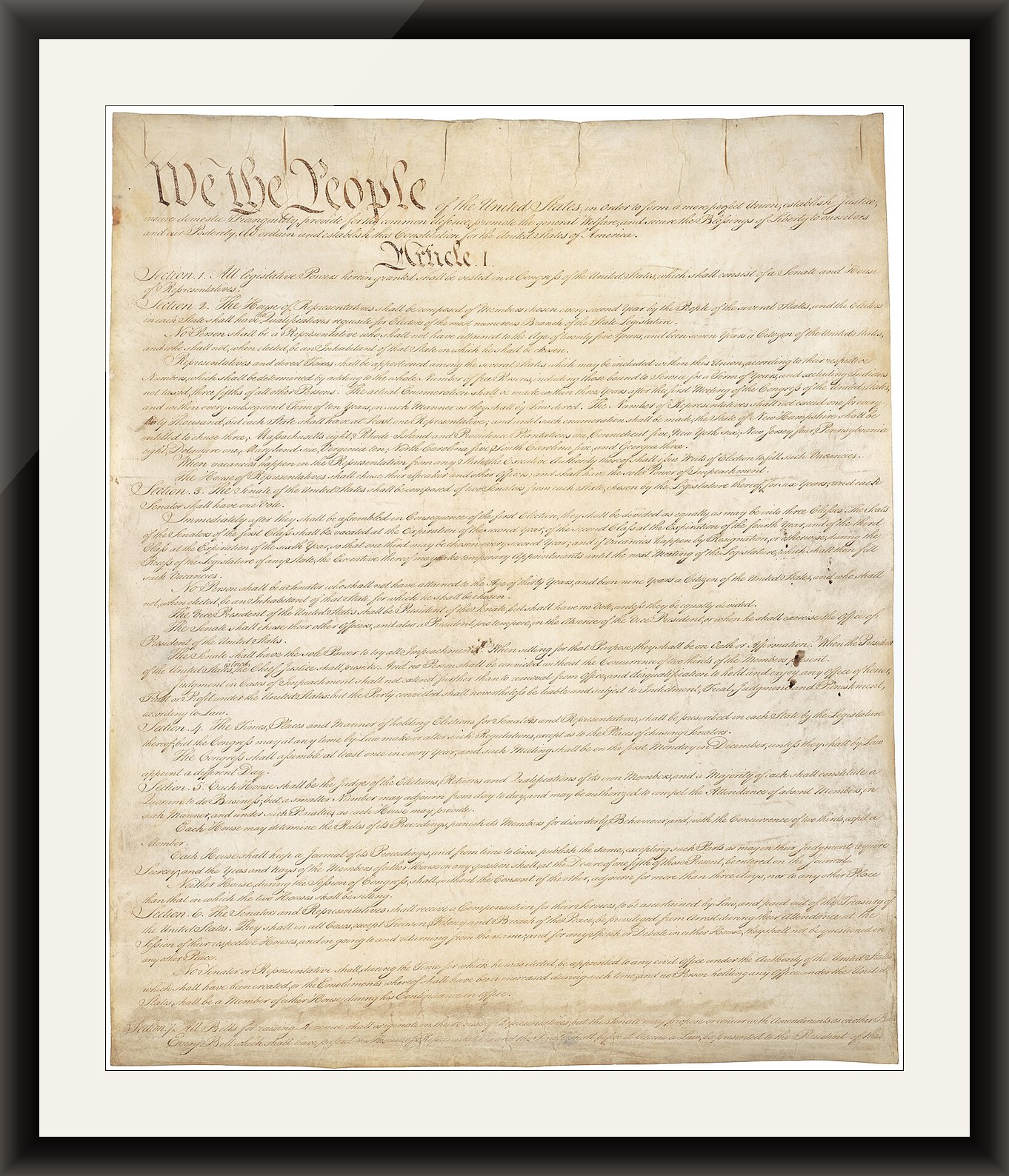
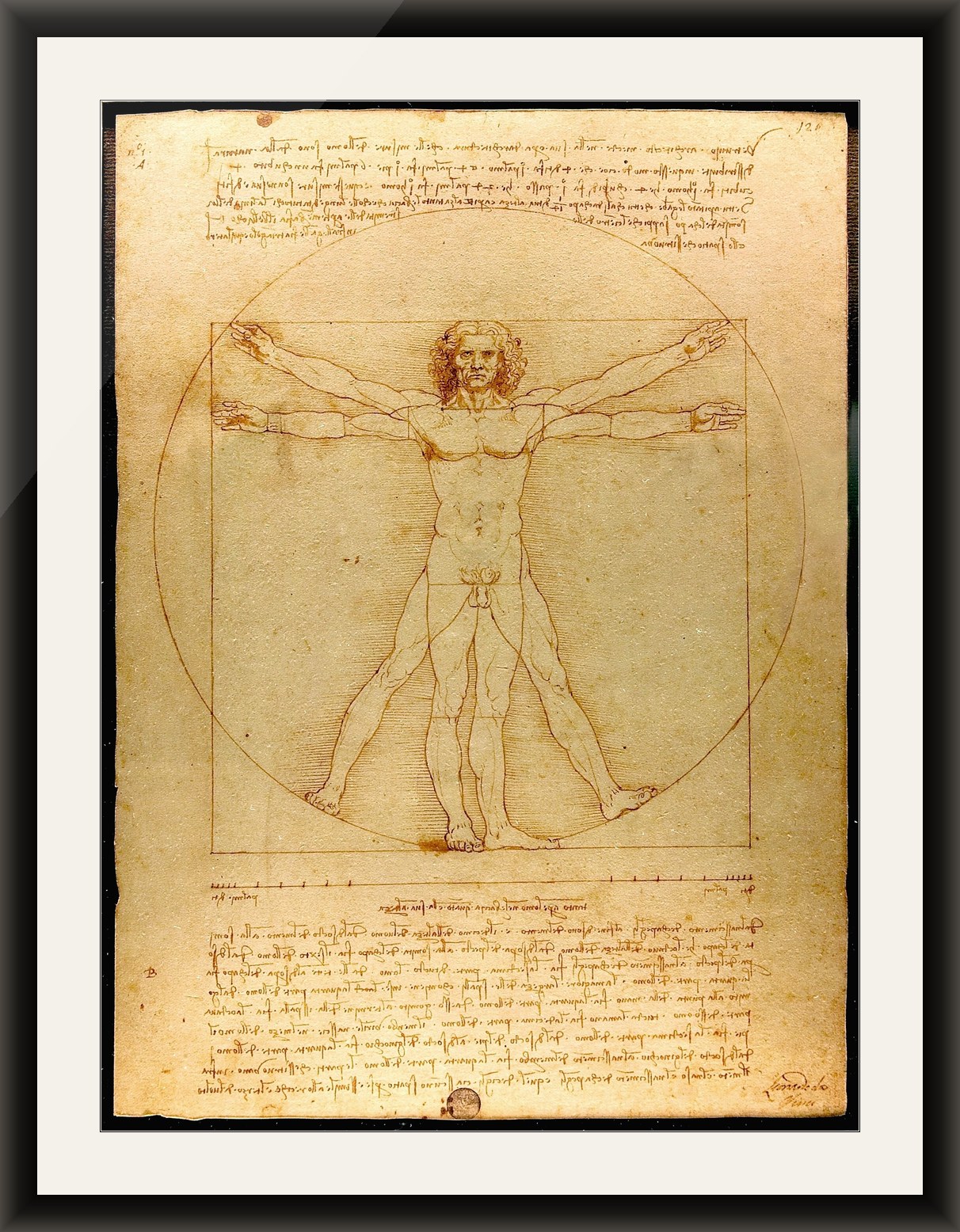
See it for yourself across the full collection, from the Constitution to Leonardo’s Vitruvian Man.